The events of the last two days have been a lot to process. As have the last two weeks. And, for that matter, the last two-plus years.
Given all that’s unfolded and the dizzying pace of daily headlines, it’s understandable that some might have become numbed or fatigued by current events. The wells of our collective strength can feel nearly depleted.
And yet, if anything, this is the moment to engage even more deeply. How we respond now, here and in Israel, may not only change lives — but may also save them.
Yesterday, as we all know, a large synagogue in Michigan, which houses an early childhood learning center, narrowly escaped what could have been a horrifying tragedy, thanks to the heroic actions of its security guards.
This wasn’t just luck. Security takes concerted effort. It happens because federations and other Jewish communal organizations put substantial resources into it. Here in New York, through our Community Security Initiative, we’ve significantly strengthened physical protections and supported the trained professionals and volunteers who safeguard our Jewish spaces every day.
We also advocate at every level of government for increased funding and legislation that keeps Jewish spaces — and all houses of worship — safer. Just this Wednesday, I was in Albany for a UJA-led advocacy day, meeting with the governor and other elected officials to demand better protections for our houses of worship.
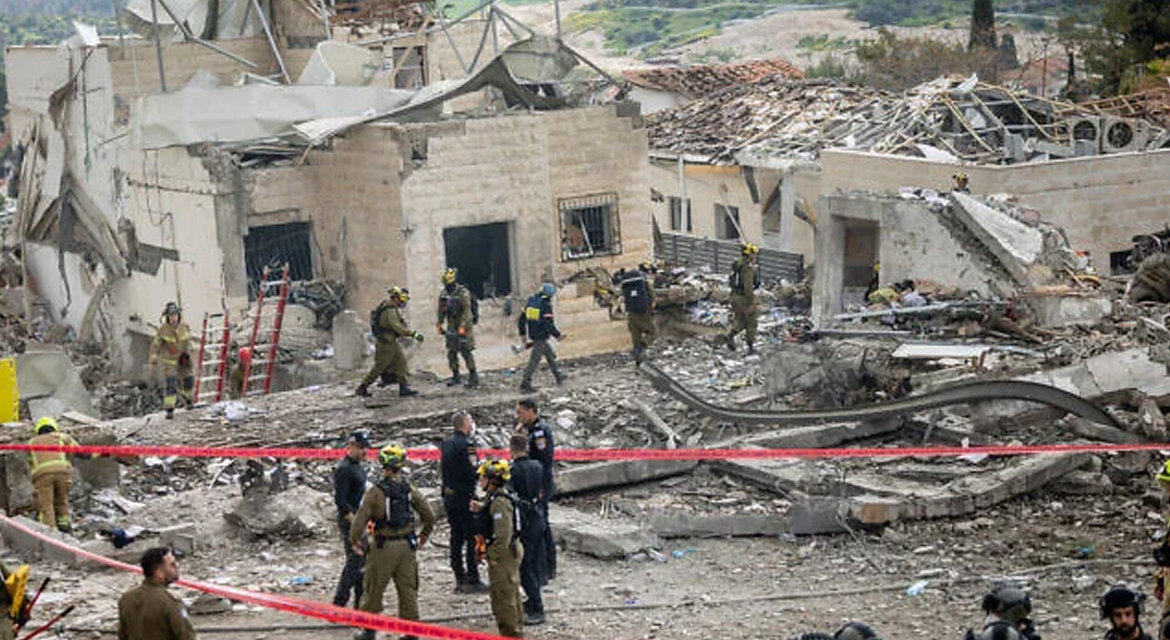
In Israel, life has been completely upended for two weeks now. Since February 28, there have been over 50,000 alerts across what is a tiny country. Children are still not in school. Attempts at online learning have largely floundered. People have been permitted to return to workplaces if they have nearby shelter. That’s an option for some, but if they’re parents, who stays home with the kids?
For the elderly, chronically ill, and people with disabilities, everything is harder. Disruptions in routine medical access, follow-up care, and medication continuity pose serious health risks. Even short-term gaps in care can lead to rapid deterioration.
Everyone is juggling logistics, timing when to take a shower, when to do a grocery run, not even really dealing with the full emotional fallout. And that will come too.
My daughter, who I mentioned last week was already hosting a couple in her Tel Aviv apartment, has now added a third temporary roommate to the mix, another friend without a safe room of her own. Everyone does what they can.
It’s hard to put this more plainly: This war is touching the entirety of this country. Israelis are resilient, we know this, but this is a very frightening time.
This week, our initial $2 million emergency allocation is helping to reinforce frontline civilian infrastructure — expanding homecare services for the elderly, providing emergency relief for displaced families, delivering psychosocial care in shelters and schools, and more. And we're planning to deploy an additional multimillion-dollar emergency grant package early next week.