When UJA-Federation of New York recently helped bring together more than 200 educators, counselors, district leaders, and school administrators to better understand antisemitism and Jewish inclusion in public schools, one of the most powerful voices in the room belonged to an 18-year-old student.
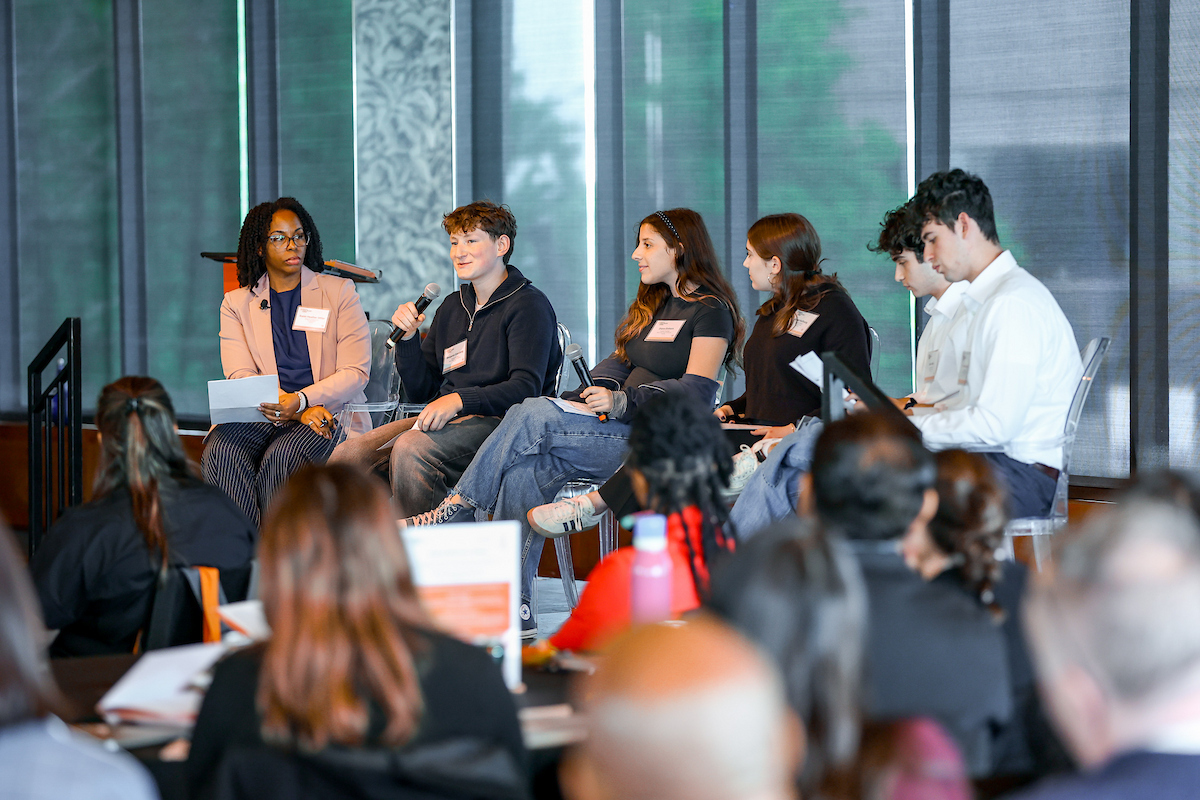
Asher Klein, a co-founder of the Jewish Student Union at Beacon High School near Times Square, took the stage with fellow students from schools across New York.
They spoke on a panel not as experts, but as young people living the reality many Jewish students are facing as they navigate what it means to be openly Jewish in a public school system increasingly grappling with antisemitism, polarization, and questions of belonging.
"The panel reinforced that speaking up is not just about protecting myself, but also about protecting my peers and the wider community," Asher said.
LISTENING TO JEWISH STUDENTS
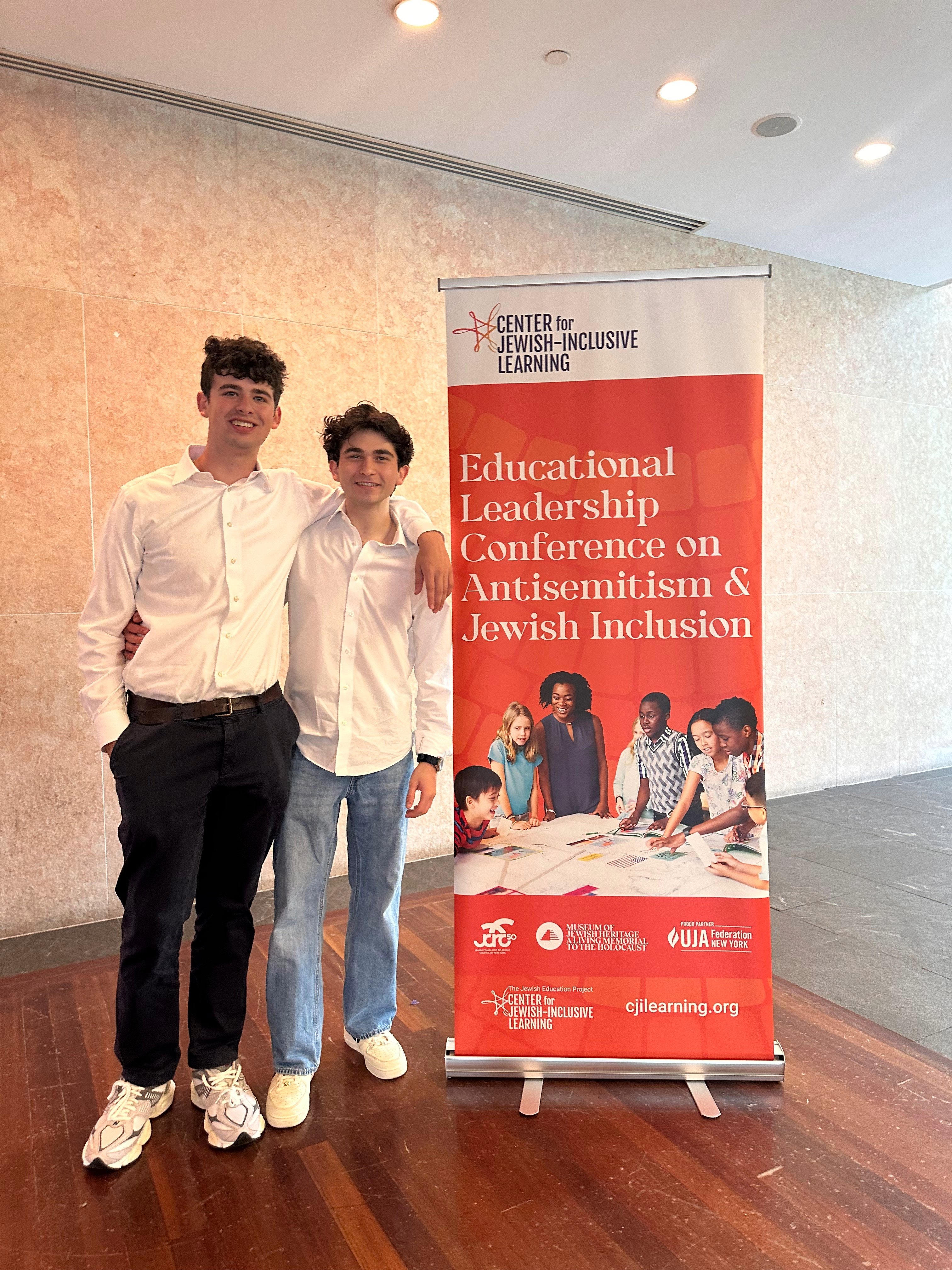
The conference was hosted by the Center for Jewish-Inclusive Learning, a division of The Jewish Education Project, in partnership with UJA, JCRC-NY, and the Museum of Jewish Heritage.
For UJA, the conference is part of a broader effort to ensure Jewish students feel seen, understood, and safe in New York City public schools at a time when many are reporting experiences ranging from social isolation to pressure to conceal their Jewish identity.
"I have two different lenses — students and staff — and I've been hearing how anxious many kids are about being publicly Jewish," said Rabbi Heather Miller, a public school principal who moderated the student panel. "People are very comfortable being anti-Jewish online, and that often spills over into spaces like school."
Yet Asher also shared reasons for optimism. At Beacon, he said, incidents that once might have gone unaddressed are now being taken seriously, and school leadership has made a concerted effort to engage Jewish students and community members.
That kind of progress is exactly what UJA and its partners are working to accelerate.
The conference equipped school leaders with practical tools to better understand Jewish identity, recognize antisemitism, and foster more inclusive school environments.
It is just one component of a larger strategy that includes year-round professional development, ongoing consultation with educators, and access to a growing library of resources designed to help schools navigate difficult conversations and support Jewish students.
"This conference was created to equip public school leaders with the knowledge, resources, and partnerships needed to better understand the Jewish experience and support Jewish families," said David Bryfman, CEO of The Jewish Education Project.