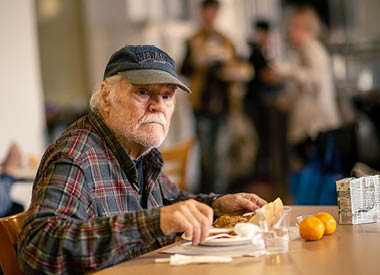
UJA ensures New Yorkers of all backgrounds and all ages can access care when they need it — so no one has to face these challenges alone. If one person’s pain can be eased, we’ve made a difference that matters.

In a given year,
have a mental health disorder — needs are unmet for 34%
40% of NYC high schoolers feel sad or hopeless
attempted suicide in the past year
Adults with disabilities are
anxious or depressed than adults without disabilities
Alongside the everyday stresses of life, persistent antisemitism erodes a sense of safety and belonging — with clear consequences for mental health. This impact results from both direct experiences and indirect exposure to bias. Yet misconceptions around mental illness mean too many don’t reach out for help.
We’re battling the stigma and supporting hotlines, counseling services, and safe spaces for our community members to share their experiences.
Support for teens doesn’t stop at home. Although most students seek mental health support at school, far too many schools fail to meet this demand, and suicide remains a leading cause of death for adolescents.
We fund partners’ work in schools and community-based settings that give teens safe ways to explore mental health concerns, ask questions, and find support — while also equipping parents and caregivers with guidance to better help their children.
Mental illness can be triggered by food insecurity. Poor nutrition affects brain function. Worrying about food can cause chronic stress. And those struggling tend to feel ashamed and self-isolate. This creates a vicious cycle, where the anxiety of finding food depletes coping resources, and mental distress makes securing food harder.
Often situated in neighborhoods where Jewish poverty is most concentrated, our partners offer a host of services — from food assistance including Market by Met Council, a kosher digital food pantry, to mental health care, job training, and more.
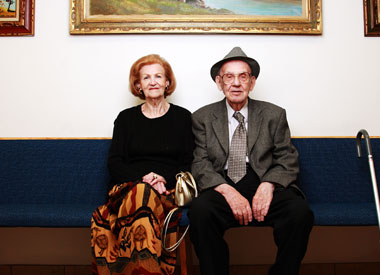
Adults with social ties are far less anxious and depressed, yet too many aging New Yorkers lack social connection. Mental health is intricately intertwined with both physical and cognitive well-being which, in turn, affect seniors' ability to live independently, including aging in their own homes as most would prefer.
That’s why UJA supports active aging — to help older adults stay healthy, connected, and independent through fitness and cultural events, tech support, home safety, and more.
LGBTQ+ individuals experience higher rates of depression and anxiety primarily due to minority stress — chronic stress from societal stigma, discrimination, rejection, and prejudice, leading to feelings of isolation, fear, and being unaccepted. Coupled with being distanced from some LGBTQ+ communities post-October 7, a large number have since turned instead to their Jewish community and faith for strength.
UJA makes sure affirming support and connection are more accessible by supporting safe, inclusive spaces and resources for LGBTQ+ Jews and their families.
Being a victim of domestic violence is linked to increased risk for post-traumatic stress disorder, depression, and suicide. Exposure to traumatic events can lead to stress, fear, and isolation, which may lead to depression and suicidal thoughts or behavior.
UJA’s network provides survivors with crisis case management, referral, safe housing, and legal assistance services that help survivors heal, stay safe, and rebuild their lives.
Mental health issues often drive substance use, which then worsens emotional distress and interferes with recovery. Many individuals experience both at the same time, making it difficult to address one without the other.
UJA-supported partners connect individuals to recovery resources and support services such as referrals to treatment providers, peer support, counseling, and connections to broader mental-health care to address both needs.
People with intellectual and developmental disabilities (IDD) have higher rates of anxiety, depression, and other mental health challenges, largely due to chronic stress, social isolation and exclusion, environmental barriers, and loss of control over their own lives.
For people with IDD, mental health is shaped not only by clinical care, but by daily stability, independence, and support. UJA’s partners offer just that by pairing behavioral health services with job coaching, skills training, and community-based supports that strengthen well-being and independence.
Alongside the everyday stresses of life, persistent antisemitism erodes a sense of safety and belonging — with clear consequences for mental health. This impact results from both direct experiences and indirect exposure to bias. Yet misconceptions around mental illness mean too many don’t reach out for help.
We’re battling the stigma and supporting hotlines, counseling services, and safe spaces for our community members to share their experiences.
“I wouldn’t say mental illness is a flaw. I would say I’m unique, I’m different, special. I’m owning my differences.”

Counseling services. Peer groups. Safe spaces.